Publishers keep chasing the elusive magic of nostalgia.
Over the past few years, gamers have seen a lot of remastered and remade titles. There’s even a dedicated Wikipedia page listing them all out. For just last year it lists thirty remastered and remade games, and a further four already listed for 2021. The original releases for these range from the 90s to as recent as 2018 (what..?), with every platform and most of the major publishers featuring in some capacity. Now it’s been revealed that The Last of Us is being remade, having already been ahead of its time in 2013, I considered that among the big titles being remade and remastered, we’ve had a number of consistently excellent spiritual successor games achieving far more than a remake.
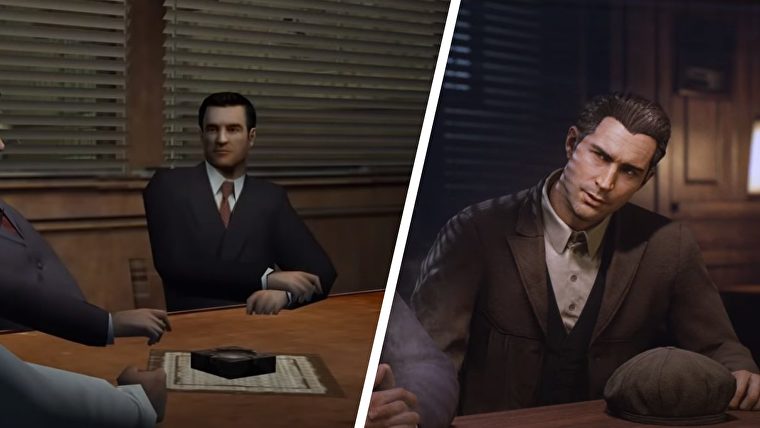
Plenty has been said about the endless scourge of remakes/remasters, and I’m not looking to re-hash those discussions. There’s been some really brilliant ones (Mafia: Definitive Edition, Demon’s Souls, Resident Evil 2) and some real duds (Warcraft III: Reforged particularly). Ultimately, I’m happy for remasters to continue arriving – a touch up and re-release is a nice treat for some old favourites that don’t run so easily on modern devices. The upcoming Total War: Rome Remastered certainly has me excited to relive my first excursion into the series, and its updated UI & controls will make that a lovely experience. On the other hand, some of the lazier ‘remasters’ can be better seen as pointless re-releases. Remakes are often pretty great, but much like Star Wars films, they lose their lustre somewhat when they come out too frequently.
The real gems, however, lay within the category of ‘reimaginings’. These include games that are for all intents and purposes, entirely new, but owe their existence so comprehensively to an older game that they become a sequel in everything except the legal disclaimers. I’ve played a few of these, and they’ve all been pretty excellent. To use the buzzword, these have been ‘spiritual successors’.
Almost, but not quite entirely unlike tea.
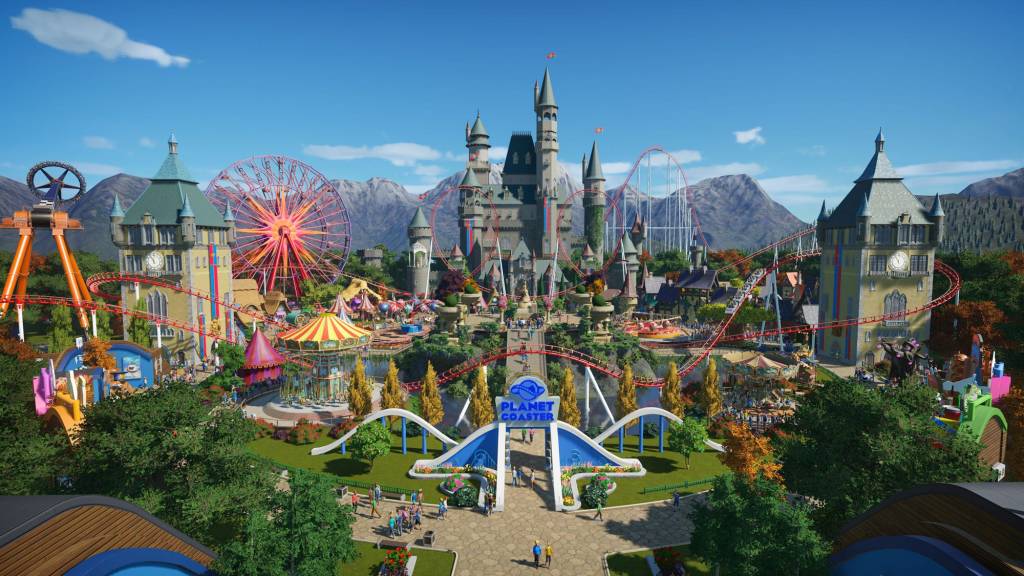
I’ve recently sunk a solid thirty hours into Planet Coaster, for example. It’s been around for a while but a recent Steam sale finally got me to part with my cash, and I have zero regrets. As a child I was a big fan of tycoon games (still am) and the underpowered family computers I used back then were perfect for lo-fi games like Rollercoaster Tycoon 2. I can still remember the music, the graphics, and my genuinely dangerous coaster designs. There was a magic to that game I failed to rediscover when returning to the series with Rollercoaster Tycoon 3 (later remastered, of course). However the series most recent release, RollerCoaster Tycoon World, was an unmitigated flop, so Frontier Developments (who created the third instalment) went away and made their ideal theme park game. They really threw the kitchen sink at it.
If you’ve played Planet Coaster, you know what I mean. The limitations of RollerCoaster Tycoon are gone, replaced with boundless creativity baked in at every step. Where the original games were relatively cookie cutter, in that you had to use the parts and basic design principles provided to you by the developers, Frontier have made it possible to do basically anything. Not only can you do everything you could do in RollerCoaster Tycoon, you can now move scenery objects around like you’re using a game engine, with reliable tools for translating and rotating objects on three axes, the ability to save building & scenery designs as blueprints for use later (or uploading to the Steam Workshop!) and even tools to convert 3D models you’ve made yourself into parts to use in your game. While this might seem daunting, this game has such a vast and dedicated community, you need never feel alone or that you even have to do much of this yourself, because somebody will have already made that perfect pirate-themed fountain you wanted.
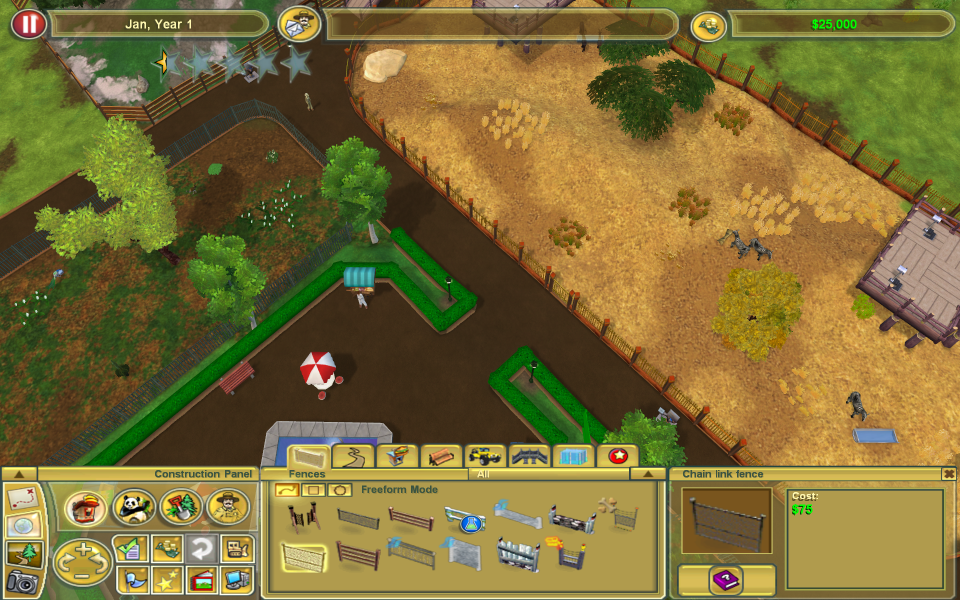
Planet Coaster has a twin – Planet Zoo. It’s in my library from the same sale but I confess I’ve not opened it yet. I will, probably later today, and it’s very exciting. As a child, one of the games I returned to even more frequently than RollerCoaster Tycoon was Blue Fang Games’ Zoo Tycoon 2. I still find myself humming the theme tune for it occasionally, and younger me spent many an afternoon perfecting my elephant enclosures and jeep tours. In most respects Planet Zoo is essentially Planet Coaster with animals, which is exactly what it should be. The more recent Zoo Tycoon from 2013 (interestingly also from Frontier) was nothing like the originals, and instead of expanding the level of creativity, it was decimated. I was briefly excited for it until realising it was a simplified, console-oriented game that was more drag-and-drop than anything else. Planet Zoo is the answer, just as Planet Coaster was the answer to RollerCoaster Tycoon World. To me, this pair of games suggest there was genuine love for these older tycoon games at Frontier, and the studio’s success with Elite: Dangerous gave them the funds and confidence to create their idea of those concepts perfected.
From Theme Hospital to SimCity, there’s a spiritual successor for you.
These spiritual successors aren’t alone. Other excellent examples include Two Point Hospital, inspired by Bullfrog’s Theme Hospital (a few Bullfrog games got this treatment), Cities: Skylines as the answer to recent lacklustre SimCity games, and even Stardew Valley, which I’ve written about before, as a successor to Harvest Moon. All of these are in my Steam library, and I’ve played them all quite a bit. The trend doesn’t end with this style of game, though as we’re all plenty familiar with Dark Souls’ origin story in the now-remade Demon’s Souls, and the wildly popular BioShock is ultimately a successor to Irrational’s earlier System Shock 2.
There’s an odd trend amongst all of these in that they have all been successful, in some cases wildly so. Many of them have even been made by some of the same people as the original – Bullfrog staff worked on Two Point Hospital and the legendary Peter Molyneux was involved in Godus, the successor to his 1989 masterpiece, Populous. Frontier’s involvement in RollerCoaster Tycoon 3 and Zoo Tycoon prior to the Planet games is no coincidence either. Only Cities: Skylines and Stardew Valley were truly independent from their inspiration, but each of them no less a pastiche.
Unlike sequels, successor titles have no requirement to simply iterate. While many series have seen a new engine or a radical overhaul, there’s always overlap, including for very good technical reasons. This overlap can make them feel stale, however, and prevent these sequels from innovating. Sequels can also become increasingly safe, with a steady distillation of the core concept into only its most necessary components, rendering the experience simplistic and bland (looking at you Zoo Tycoon and SimCity – both from 2013).
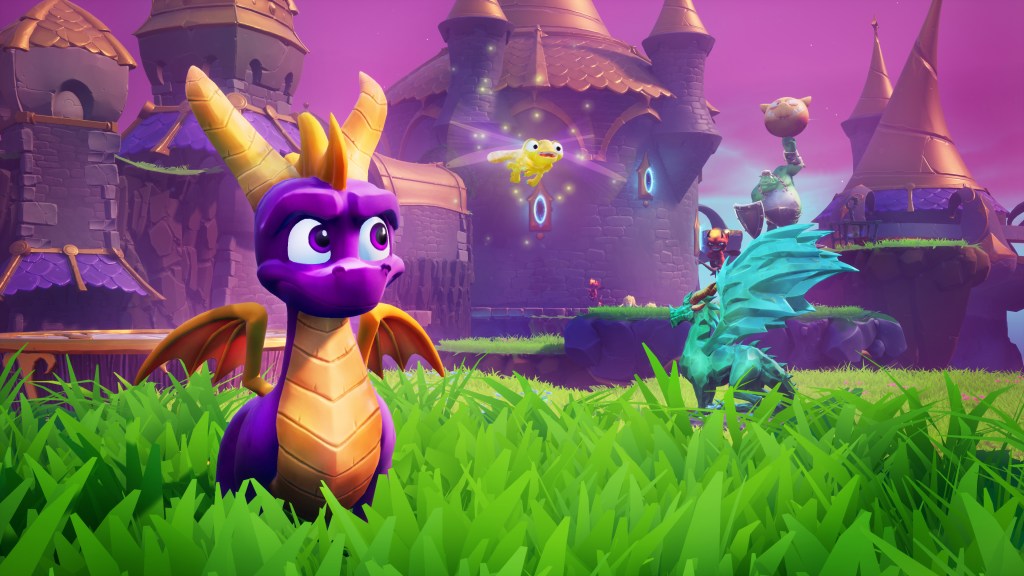
Remasters and remakes, worse even than sequels, are tied almost religiously to their source material. Remasters are ultimately the same game as before, albeit with a varying number of tweaks and updates, and remakes often come in the form of a glorified remaster (the Spyro remake is a good example here – it’s exactly the same, just pretty). These both allow an old game to reach a new audience, which is great, but they don’t give studios the opportunity to take a concept and rethink how it should work.
Spiritual successors are free from the shackles of the franchises that inspired them, and it’s resulted in some genuinely exciting and refreshing games. As Schreier’s recent article on Sony highlighted, there’s an obsession with big name franchises from big name studios and the inevitable blockbusters they produce. These games can be great, and they should continue to exist (with unionised developers making them) but in the end, I’ll be far more excited about a spiritual successor to Need for Speed: Hot Pursuit than I will be for an upscaled re-release of it.
Games development is a messy business, and there are lots of jobs, money and passion at stake, but I’d like to see a few more fresh takes on already first class formulas.
I’m still waiting for that Lego Racers remake though.
Are there any games I’ve not mentioned that got a great remaster, or is there anything you’d love to see a successor to? Comment below!

 Oliver Douglas