Indie games are a mixed bag. Thousands are released on Steam every month, and 90% of them don’t deserve a single purchase, yet every so often, one comes along that shoots to fame and success, even becoming a household name. Stardew Valley is one such game.
Designed by just one man, and published by a company with sixteen employees, Stardew Valley encapsulates the spirit of indie games. It’s never claimed to be original, or even groundbreaking, after all it started out as a fan-made alternative to the Harvest Moon series. The gameplay is very similar, the idea almost identical. Yet, somehow, the series that inspired Stardew Valley is now irrelevant, and its offspring is now on six platforms (with Vita on the way) and has breathed new life into a genre previously thought dead.
The concept of Stardew Valley is simple. Your character is sick of their life working for a huge corporation, and accepts the gift from their late grandfather of a farm in a place called Stardew Valley. Your plot is overgrown, you only have a handful of cash to your name, and your goal is to do justice to your grandfather’s memory by making the farm successful and becoming a loved part of the town’s community. You’re given a beautiful sandbox, every day is yours to plan out and act upon. You have your responsibilities such as watering your crops and feeding your animals, but you can fill the rest of your time with fishing, foraging, befriending your neighbours or even delving into the local mine to collect ore and slay monsters. It’s a huge time sink, but you never feel rushed, the whole experience is relaxed and forgiving, but never totally easy. Like all the best games, it’s easy to get in to and enjoy, but difficult to master.
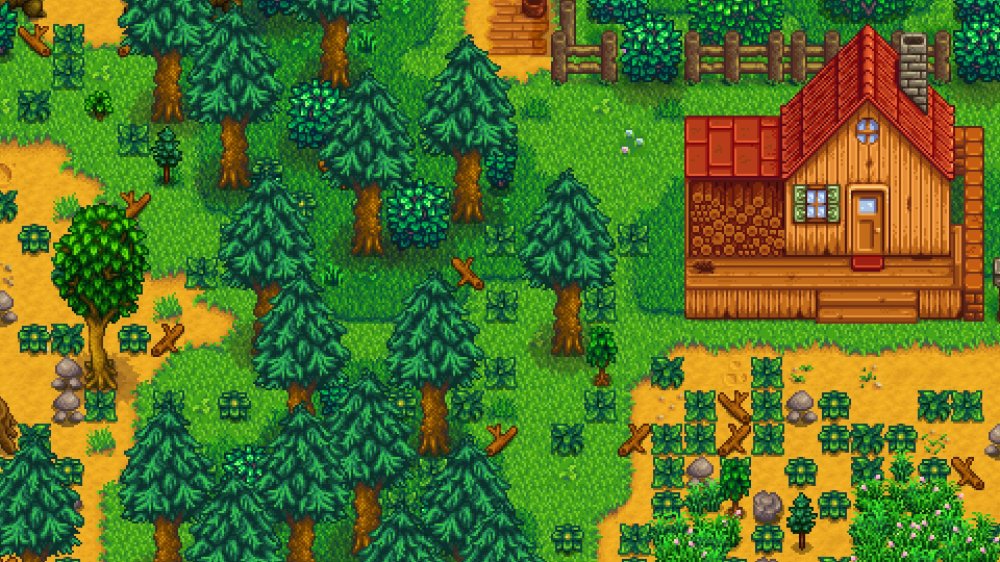
With a simple, pixel-art graphical style, and a charming retro soundtrack, the game looks and sounds timeless. It is a perfect example of a game where “good” graphics isn’t a concept that matters. Aesthetics matter far more. The whole style reminds me of another great indie game, Always Sometimes Monsters, albeit with a rather lighter tone. I would love to play more great games with these simple art styles. Not even the Pokemon series looks like this anymore!
Frankly, I bought Stardew Valley on a whim. I knew it had existed since its release, but I never thought it would be a game that I wanted to play. Yet, having just reactivated my World of Warcraft account, I wanted something lightweight I could hop in and out of when I got sick of doing dungeons. The cheerful and bright Stardew Valley emerged as the winner. My girlfriend actually ended up buying it at the same time, and we’re now both thoroughly addicted to the “just one more day” structure, hanging on for the day that Eric Barone, the designer, adds multiplayer later this year.
This is hardly a perfect game. While there is a blissful lack of hand holding (a very refreshing feature, when most modern AAA games feel the need to make interactive objects glow, and death a mere inconvenience) there is not enough guidance on some of the game’s systems, leaving me to search online for answers. Fishing is probably the best example here, it’s bloody difficult. There’s a distinct knack to it, that the game simply doesn’t teach you, and it’s left a lot of people detesting the mechanic, even if they love the game otherwise. One could argue it wants the player to learn things for themselves, and I appreciate that, but some more pointers would be nice.
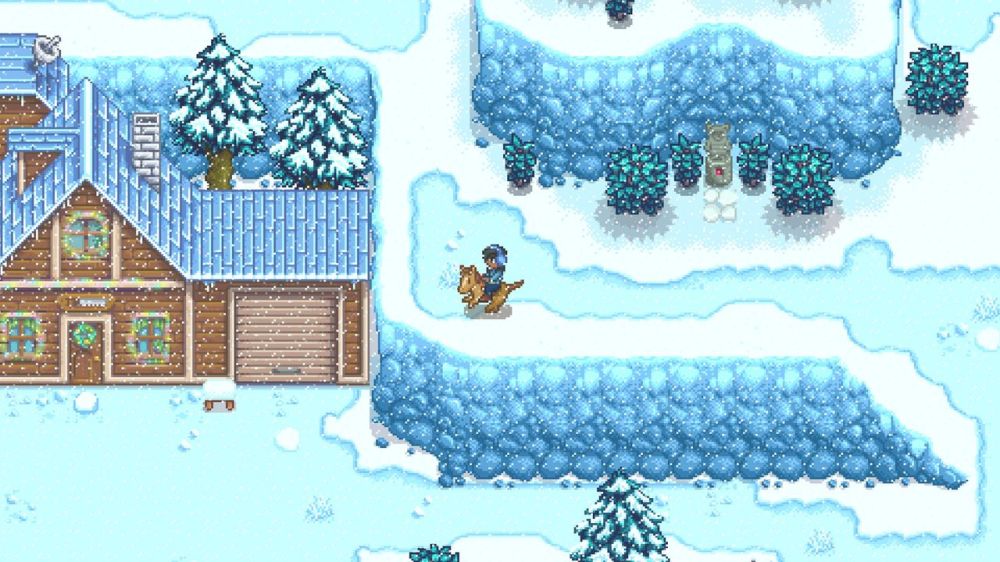
Yet, despite one or two stumbles, Stardew Valley is one of the most comprehensive and joyous games I’ve ever played. It’s well priced, it’s relaxing, it’s gentle, appropriate for all audiences and frankly a masterpiece. The best indie game I have ever played remains FTL, but I have so much more freedom and joy in Stardew, whereas I inevitably get frustrated by losing ship after ship in FTL (I’ve never finished it, to my shame). When you play Stardew, you would not know that it was the brainchild of just one man, it’s far too polished and well thought out, but that’s what makes it such an indie success story.
Since it’s release in 2016, Stardew Valley has sold over 3.5 million copies, and once released on the Nintendo Switch in October last year, it rocketed to the platform’s most downloaded title of the year, despite its Q4 release date. It’s been nominated for 13 major awards, winning two of them, and Barone has been recognised as one of the best developers working today, being one of the figures most deserving of gamers’ attention in the coming years. If he ever works on anything else, I’ll be excited.
Currently at £10.99 on Steam, Stardew Valley is an absolute must buy for anybody who enjoys games. Its so accessible, so full of content and so clearly made with love that it’s the kind of game you feel happy to spend money on. Continually updated, Barone’s masterpiece is going to be a big part of the gaming scene for many years to come, and I’m glad about it.

 Oliver Douglas
One thought on “Stardew Valley: An Indie Success Story”